Coding interviewsbroken down
Stop memorizing solutions. Learn the patterns behind every question, so a problem you've never seen still looks familiar.
We're two engineers who've been on both sides of the interview table, and we built this to get you through yours.
Python data structures
Adding to a list
insert() shifts every element after i one slot over, so we suggest append() when the order allows it.
Visual slides
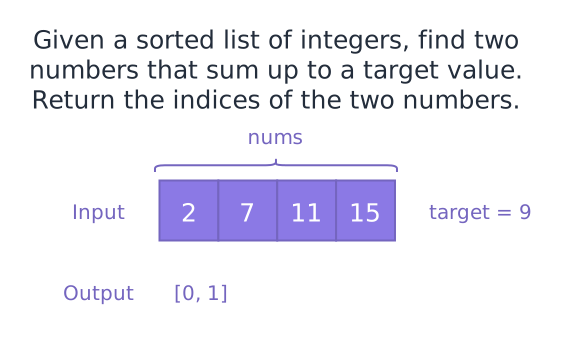
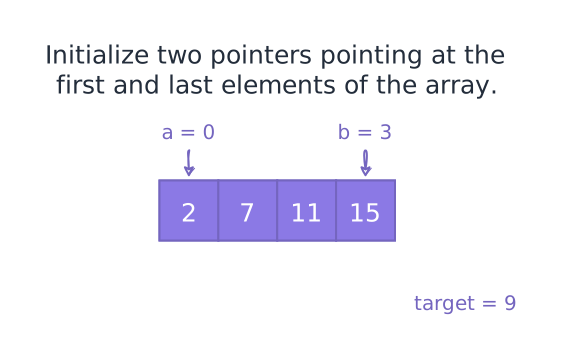
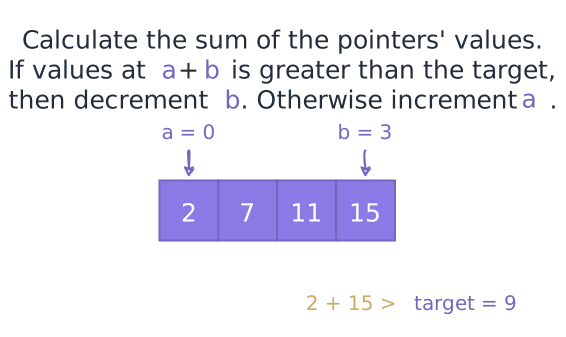
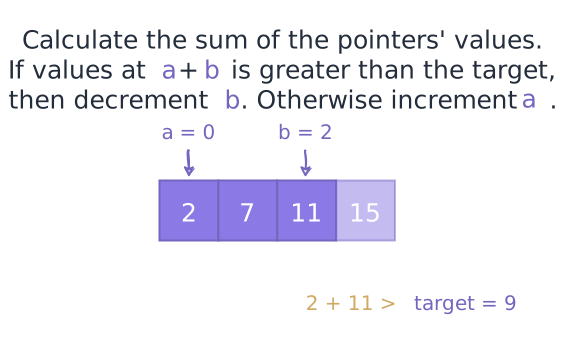
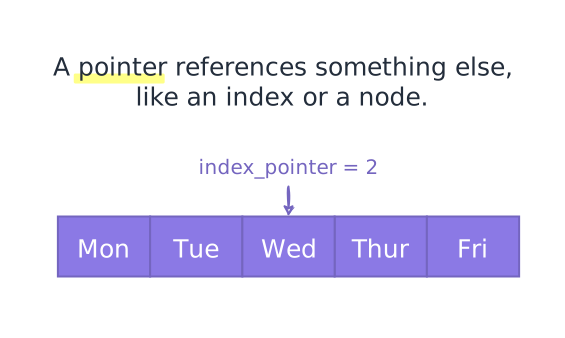
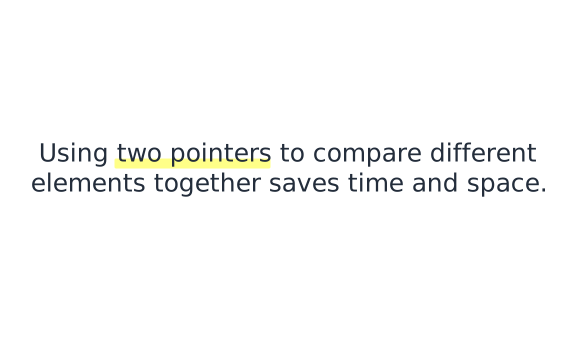
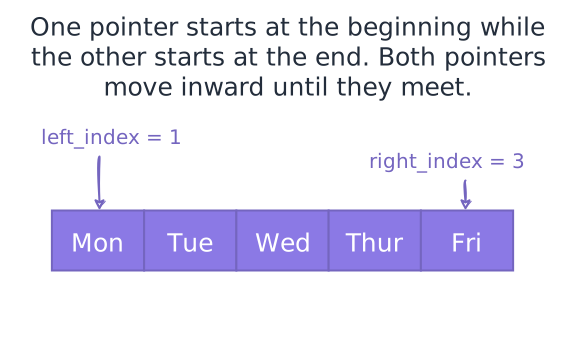
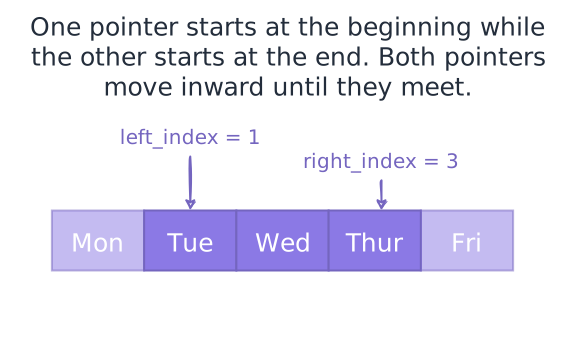
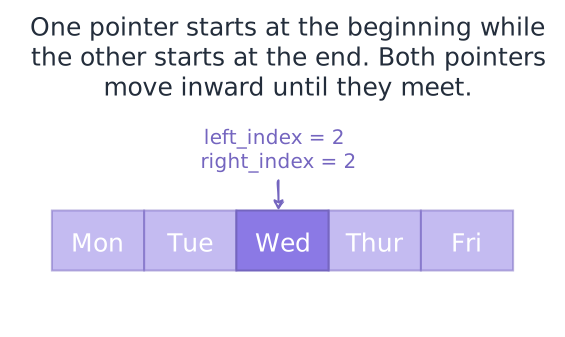
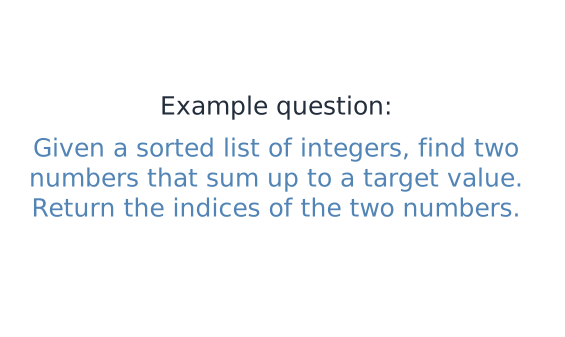
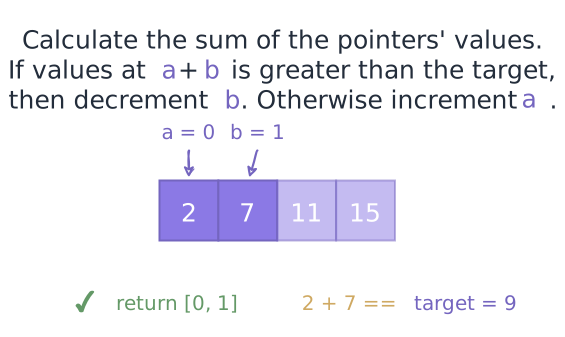
The slides show each pattern's algorithm moving one step at a time.
Valid Palindrome
Easydef is_palindrome(s): left = 0 right = len(s) - 1 while left < right: if s[left] != s[right]: return False left += 1 right -= 1 return TruePattern quiz
Reverse a list of characters in place, without a second list.
Which pattern fits? Go ahead and pick one.
It's Two Pointers. A pointer at each end swaps inward until they meet, and the list reverses in place.
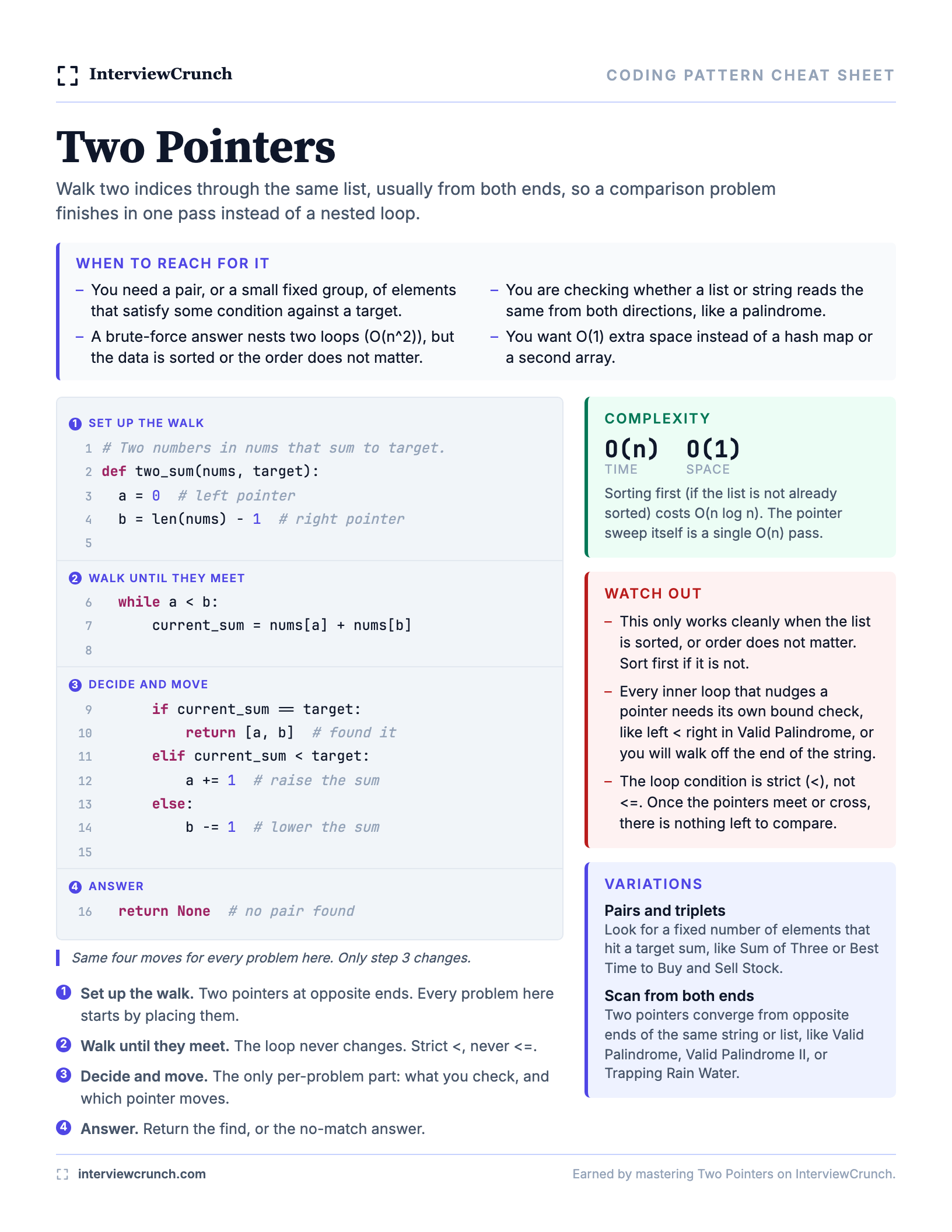
Cheat sheet earned 🎉
Two Pointers. Ready to download.
Every pattern has a one-page sheet. You earn each one by solving.
Fundamentals
Short lessons on the structures every problem is built from, and what each one costs.
Patterns
Visual lessons where solutions all come from the same pattern template.
Practice
Real problems with an in-browser editor, so there is nothing to install.
Recognize
Daily quizzes test how fast you can spot the pattern a problem wants.
Review
Solve problems to earn a one-page cheat sheet for every pattern.
“Interviewing is so important for your career growth, yet so easy to mess up.”
The two engineers who created InterviewCrunch (we've been on both sides as interviewees and interviewers)
How long do you have?
Tell us how much time you have and we'll show you what your plan covers, whether that's one week or three months.
All ten patterns fit at roughly 8 hours a week, covering the core problems for each. The extra practice problems get cut so it all fits.
Adding to a list
O(n) or O(1)Here are two common methods to add elements to a list:
append()adds the element to the end of the listinsert()takes in a second argument that specifies what position to add the element at
Note
insert() is an O(n) complexity operation whereas append() is an O(1) operation, so use insert() sparingly. If you need to only add to the front, consider using a queue.
Get solid on the structures first
Almost every interview problem is built on a list, a dictionary, or a set. Our lessons start there, with plain explanations and runnable examples like this one.
- Short free lessons cover every structure and what its operations cost.
- The advanced lessons add heaps, deques, trees, and graphs.
- Two free cheat sheets sum it all up for later.
Use ← → arrow keys
Learn the pattern behind every interview question
We teach ten patterns, and each one gets visual slides that explain the algorithm step by step. Every solution starts from the same template, so what you learn on one problem carries straight into the next.
Valid Palindrome
EasyA phrase is a palindrome if it reads the same forward and backward after ignoring punctuation, capitalization, and spaces. Write a function that returns true if the given string is one.
Practice questions that feel like the real interview
Every pattern comes with practice problems like the ones interviewers actually ask. You write and run your code right in the browser, and each problem checks your solution against real tests.
Half the interview is knowing which pattern it is
Most people don't get stuck writing code. They get stuck planning what direction to take. This quiz trains that choice: read a problem, pick the pattern, see why it fits. The Daily 8 adds eight fresh questions every day.
Reverse String
EasyYou need to reverse a list of characters in place, without building a second list. Which pattern fits?
Cheat sheets you can earn
Every pattern has a one-page cheat sheet you can keep for review.
- You earn each sheet by solving half of that pattern's problems.
- If you finish all ten patterns you get the complete PDF booklet.
- The fundamentals sheets are free, and you don't need an account.
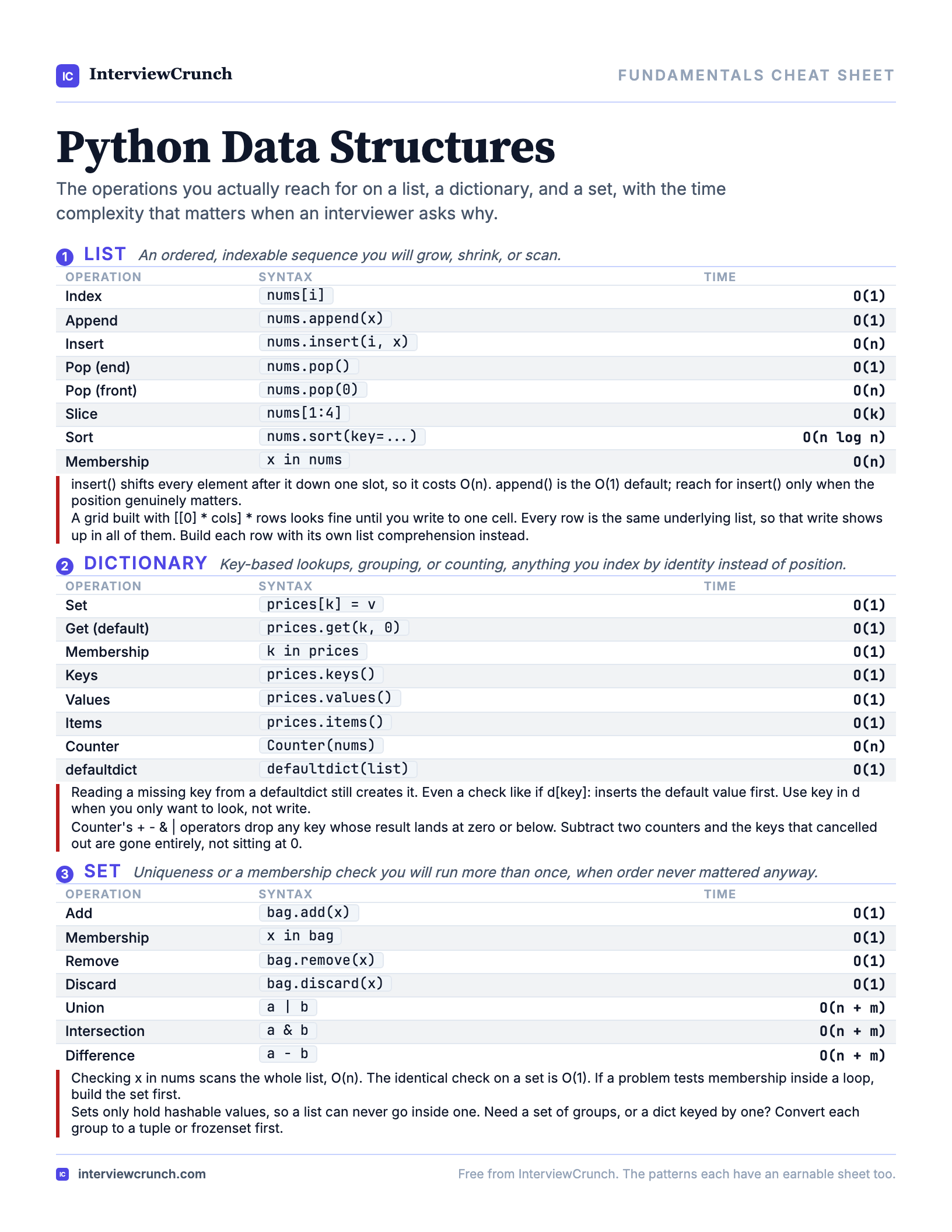
It's free for everyone.
Got an interview coming up?
Hundreds of engineers have prepped with InterviewCrunch. It's free to get started.